
Nothing makes big skis less fun than lightweight boots incapable of piloting them. Add some coral reef snow or breakable crust into the equation and it can turn into a downright ankle-snapping bad day scenario. But like with skis, boots are one of the heaviest elements in the backcountry ski kit. There’s some meat on the bone that boot tinkerers are still working to trim without sacrificing too much skiing performance.
Still, there’s a level of skiing performance I’m willing to part with in exchange for significant weight reduction in the right snow conditions and with the right skis. And there are a lot of lightweight boots that offer just that. That’s how I came to La Sportiva’s Kilo boots that came out last year. They’re just that – super light two buckle boots that trade some control (but less than you’d expect) for incredible skin track performance. A great match for the smaller, lighter skis in my collection. But they didn’t quite land in daily driver territory, especially when the snow was less than perfect. 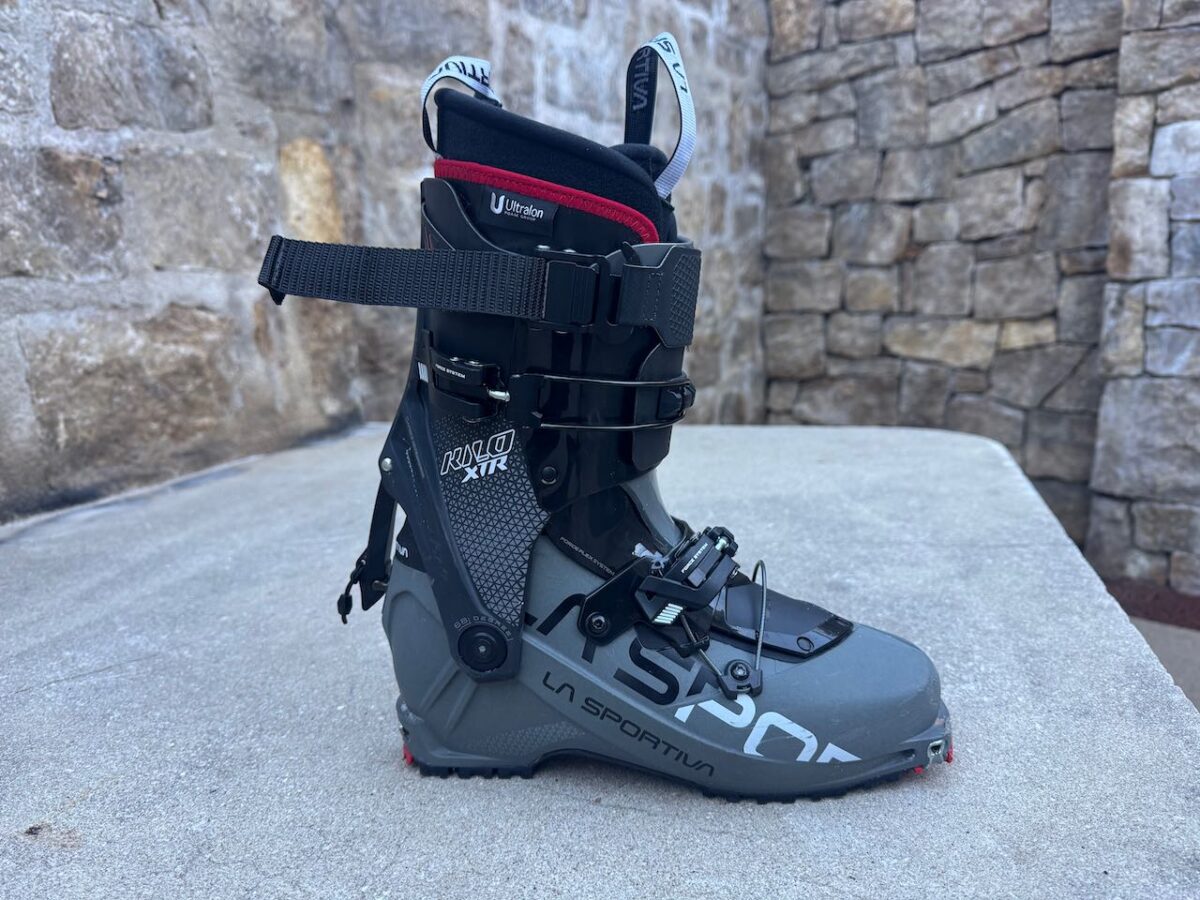
Enter the new 1,200g Kilo XTR – the same Kilo chassis with an added tongue that, on paper, could solve my minor fit and flex notes on the Kilo. So I tried something crazy – I snapped them into my 122mm underfoot 4FRNT Renegades whose skin track performance needed a light boot “lift”. I’ve been piloting this unlikely duo this season and have a lot to say about a pairing I almost wrote off entirely.
Sizes: 24 – 31.5 (half sizes)
Weight: 1190g
Shell and Cuff Material: Grilamid Bio Based LF Carbon™
Tongue: Pebax Bio Based Rnew 1100
Liner: Ultralon Thermomoldable High Density PEE w/ Variable Thickness
Range of Motion: 68° (33° back / 35° front)
Forward Lean: 2 positions (12° & 14°)
The Kilo has been my ski partner through backcountry scenarios big and small, from powder laps to Aspen’s quad smashing Power of Four skimo race. They offer quite the breadth of performance and fortitude considering their svelte 1,000g weight (in 26.5). My sole critique was that those boots felt relatively soft torsionally – that meant wide skis and steep, hard snow made them flex side to side. It robbed them of some control and capability even if the weight was hard to argue with. That made me leave them behind during spicy spring descents. 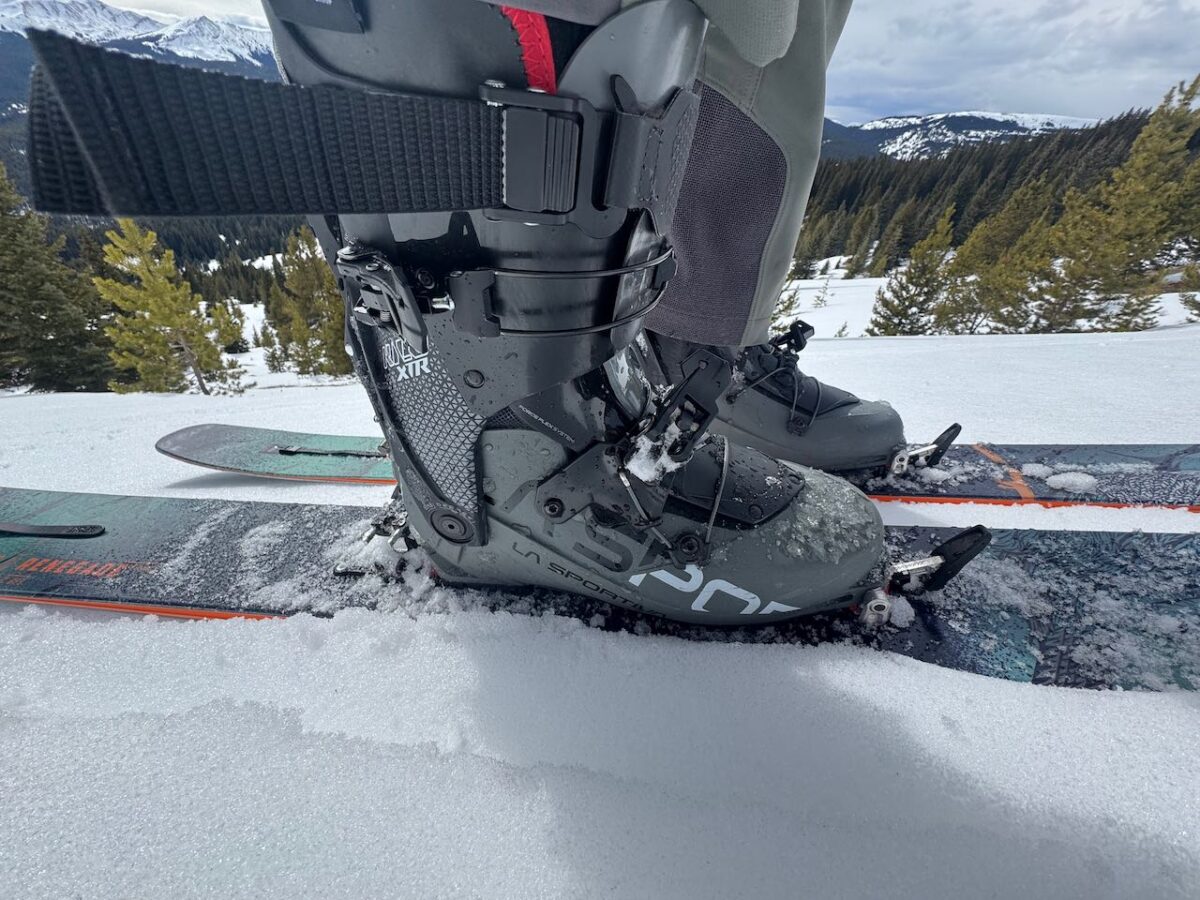
The new Kilo XTR’s tack on a Pebax Rnew tongue and enhanced lower buckle. Those small additions managed to address that torsional stiffness issue, though to be honest I’m still trying to tease out how. Both boots’ shell and cuffs are constructed using Grilamid Bio Based LF Carbon. So logically the addition of the tongue must be the solution even though I assumed it was as a fore-aft stiffener rather than a side to side support. Perhaps that extra layer of material in the cuff sandwich reduces the lateral and torsional flex. Whatever does it, the Kilo XTR’s feel more robust on hard snow and with wider skis in every direction.
The Kilo XTRs bring an impressive flex pattern to the little boot category. They’re stiff without out a doubt. La Sportiva rates them at 120, which feels about right to me. That’s not really the surprising part, since you can make a boot pretty dang stiff by adding gobs of carbon. What impressed me about the Kilo and Kilo XTR is flex progression and the energy in that flex. No, they’re not progressive like big four-buckle polyurethane alpine boots, but they’re engaging off the top and they’re sturdy deeper into the flex. They’re supportive and they don’t fold. And to top it off, there’s an energetic rebound for such light boots that added a little pizzazz to my turns.
Part of what I love about the Kilo family is their use of buckles rather than BOAs and velcro. The Boa/Velcro combo was the one thing I didn’t love about the otherwise excellent Skorpius CR II, for example. I just couldn’t get the dials or velcro tight enough for my liking. The Kilo XTRs employ tried-and-true buckles instead.
A lower buckle that pulls on an equalizing cable that leverages tension across the forefoot. And the tongue definitely helps disperse that tension more broadly than with the original Kilo’s tongueless design. The upper buckle is similarly lightweight, but sports enough throw to really lever them down when you want real tension. The tongue again helps distribute some pressure to the instep and ankle over the original Kilo, resulting in a pretty solid heel hold for a light two buckle boot. A camming power strap rounds out the tightening features. It’s the best little boot tightening system I’ve come across. 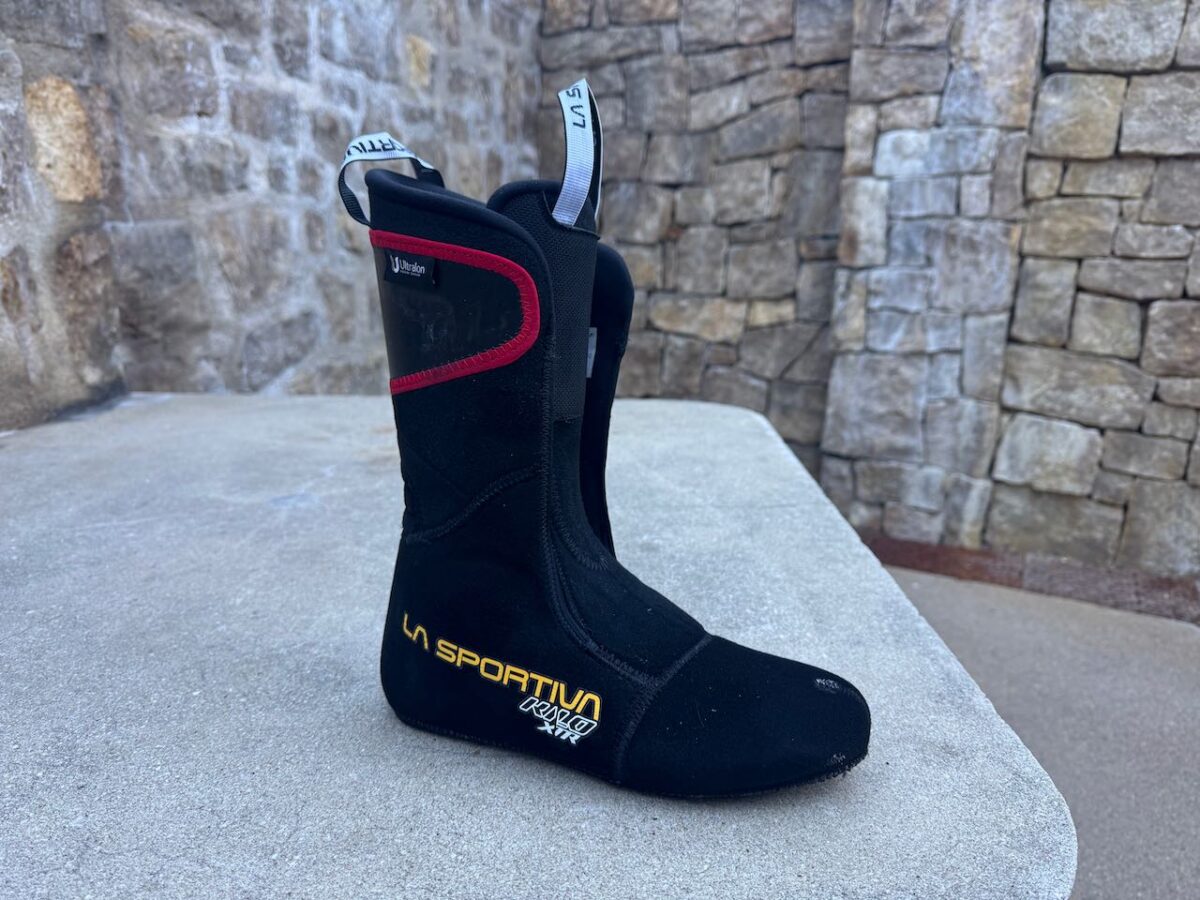
The Kilo XTRs are accommodating but slightly narrower than La Sportiva’s beefier boots and Scarpa’s F1 line with a 100.5mm last. And that comes with a narrow heel that again lends itself to a solid heel hold. The heel was so satisfyingly tight that I needed to force in an aftermarket footsole to help spread it out. I haven’t had to do that before, but it made the heel pocket much more comfortable.
The liners are solid. Nothing fancy, but I wasn’t itching to swap them out with something more premium, either. They’re dense, light, and supportive. And more importantly they’ve resisted packing out after 20+ ski days. My one gripe is that hard plates on the back of each calf make attaching velcro angle adjusting spoilers nearly impossible without some DIY creativity. I ended up attaching them with glue.
A surprising pairing: Kilo XTR x 4FRNT Renegade
4FRNT Renegade Specs
Lengths: 177cm, 184cm (tested), 191cm
Profile: 137mm – 122mm – 130mm
Turn Radius: 30m
Weight: 2050g (184cm)
Core: Aspen, Maple, Carbon Stringers
I glanced over at my ski rack with an idea. My 4FRNT Renegades needed to be fed and on paper the Kilo XTRs had them covered. But that’s a light boot to push around such a big ski. The snow was falling and within minutes I was snapping the toes into the Dynafit Superlight 150’s mounted to my 184cm Renegades. 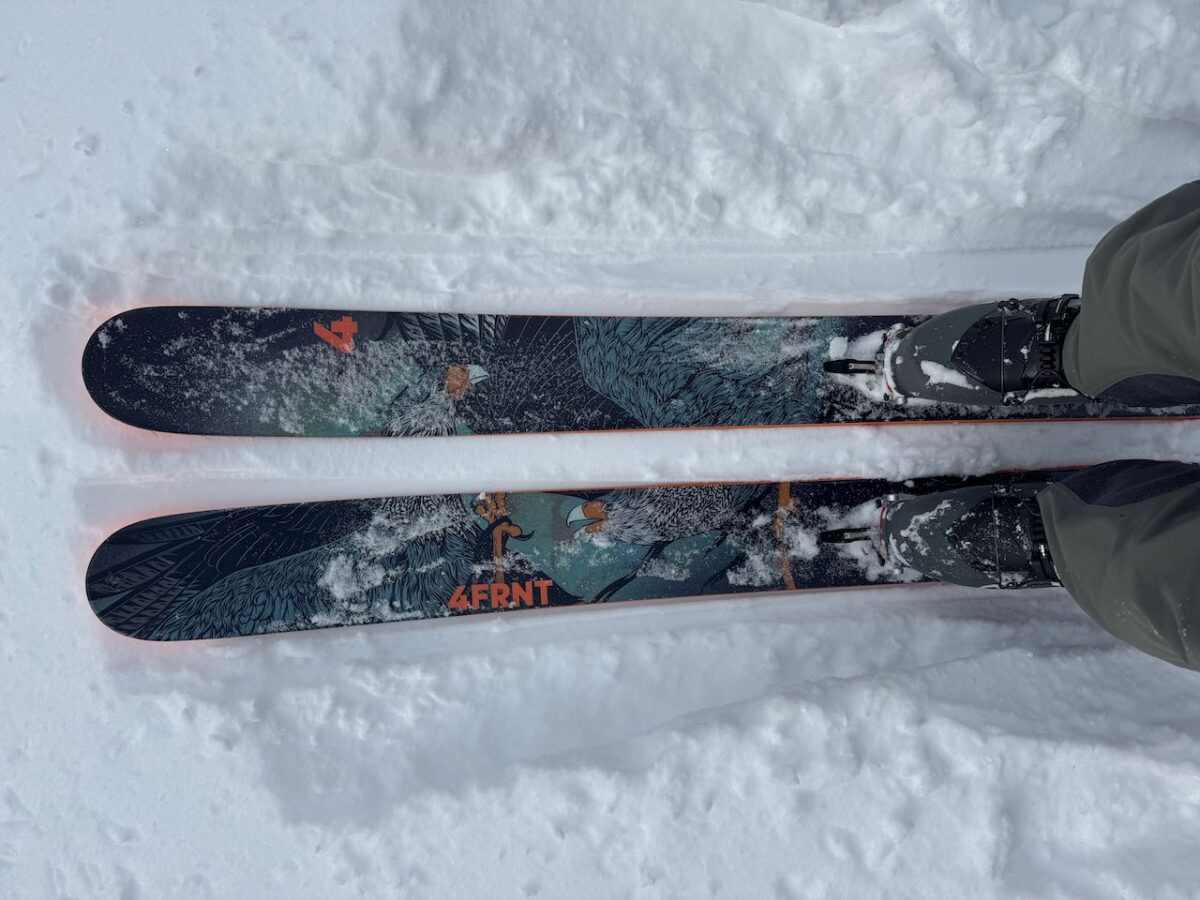
I transitioned into ski mode at the top of the run, a fresh few inches of snow blanketing the big open slope below me. I pushed off and it didn’t take long to feel like the setup was going to work after a few soft turns. Like I mentioned before, the most forward lean option the Kilo XTRs offer is 14°. And I think that’s what makes them work with the Renegades – you need to ski them from the feet rather than from too far forward. In more forward boots, it can feel like you’re going over the bars if you push too deeply into the tongues on super rockered skis like these. But with a relaxed, upright stance, you can just flick your feet and the Renegades respond. That’s perhaps more a testament to the agility of the Renegades than the boots. But the Kilo XTR’s had just enough heft and support for that little flick, especially in good snow.
Let me lay down a few quick qualifiers. These 184cm Renegades are on the shorter side for me given that I’m 185cm tall, 195lbs (excuse the mixed units). I’d typically be skiing the Renegades in the 191cm size the way I do with the Hojis, but I find the longer length requires big(ish) boots like a Scarpa Maestrale or Tecnica Zero G Tour Pro to really thrive. And if you aren’t familiar with the stellar 4FRNT Renegades, they’re fully reverse cambered powder skis with a short flat section in the middle of the ski.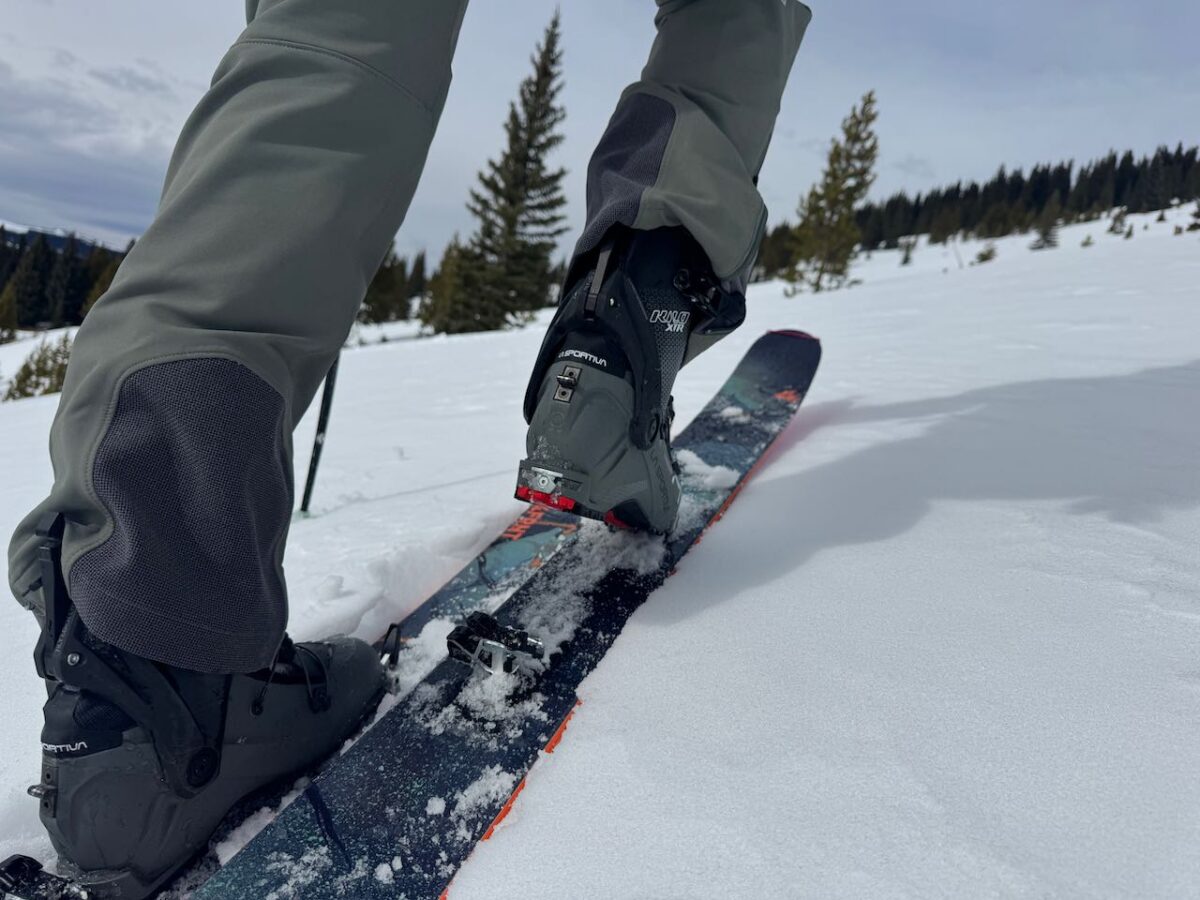
Okay, back to skiing. The setup was incredible in the soft stuff. Pure powder bliss. Again, more a testament to perhaps the most fun powder ski on the market, but a little more ease on the skin track didn’t hurt the fun factor. It was the same general feeling in the soft chop and frankly any snow of the soft persuasion. The combination worked surprisingly well.
Would I feel as solid dropping a cliff or blasting big freeride terrain as I might on my La Sportiva Senders or Tecnica’s Zero G Tour Pros? Nah. The difference between those big boots and the svelte Kilo XTRs is apparent on the peripheries of typical ski forces. When you jam into heavy snow or get tossed off line, that’s when you notice that you’re not wearing 4 buckle freeride boots. The Kilo XTRs just don’t offer the same forgiveness or room for error in snow conditions other than perfect powder.
In hard snow, obviously the Renegades aren’t the right tool for the job. But still the Kilo XTRs could pilot them back to the good stuff. I didn’t feel undergunned unless I was really pushing my limits in less than perfect snow. The boots’ improved torsional stiffness maintain a more solid edge on hard snow. The Renegades’ lack of any traditional camber only supported their easy-to-pilot character.
The Renegades are never going to round out an ultralight setup. At 2,050g in the 184cm length, they come with some heft. A full wood core and 122mm waist width will do that. The 184cm Renegades, Superlight 150s, and Pomoca 4-Lock FreePro skins land at 2,456g combined. Add another 1,301g for my 27.5 Kilo XTR and we’re looking at a 3,757g-per-foot powder setup without skimping on skiability. It’s light(ish) for a big setup. It has meant more laps when the goods are good.
Touring Performance
Like the original Kilo and other boots in this class, the Kilo XTRs have a huge range of motion and are generally a pleasure on the ski track. Their deep forward and rearward articulation is welcome on flats and steep inclines alike. La Sportiva claims 68° and I don’t have much reason to doubt it.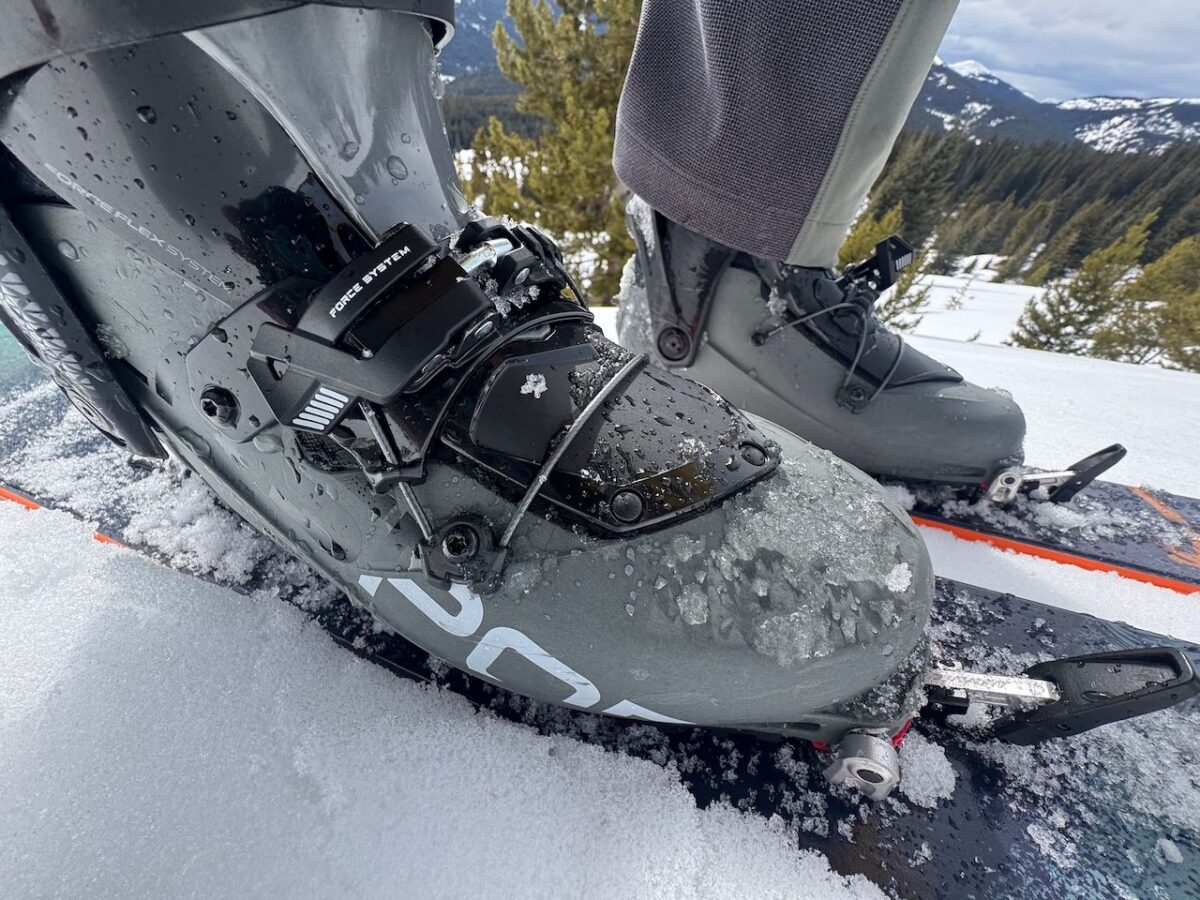
Bolting on a fixed tongue adds some resistance in the touring stride – no surprises there. I could feel it deep in the forward and rearward part of each stride compared to the shoe-like articulation of the tongueless Kilo. But that resistance wasn’t nearly enough to relegate it to big boot territory – it’s decidedly more articulate than the Fischer Transalp Carbon Pro, Tecnica ZGTP, Scarpa Maestrale, etc.
A flick of the spring loaded ski/lock lever sends it flying into ski mode. It’s a simple mechanism, really. The cuff-mounted lever has a notch that’s filled by the angle adjustable flange on the shell’s heel. It’s in fact so simple that I have no real complaints about it. Snow and ice buildup hasn’t been an issue and it’s a breeze to manipulate with gloved hands. It rounds out a boot capable of very quick transitions.
Other ski pairings
I’ve piloted quite a number of skis with the new Kilo XTR. They have the lightweight skis covered. The brand’s new Tempos were basically a perfect match – the boots’ upright stance skied harmoniously with the Tempos’ ski-from-the-center character even if they demanded a little more forward pressure than the Renegades given the camber.
My full-sized 186cm Armada Locators were a good real world performance test for the Kilo XTRs. While the Locators are very light, they don’t bring the casual, pivoty character of the Renegades. They land more on the precise side of the spectrum and employ a healthy camber and a mellow rocker. It’s kind of the opposite of the Renegade.
In consistent snow, like skied out terrain at the resort, the Kilo XTRs had enough muscle for those big Locators even if a little bit more forward lean might help engage the edges. Leaving the power strap slightly loose helped me dip into the top of the flex more naturally. It was really only in bad snow where the Kilo XTRs didn’t provide quite the forgiveness or suspension of a beefier boot. And we ski a lot of bad snow in Colorado’s backcountry, especially this season.
But with smaller skis like the Tempo, the Volkl V-Werks Rise 99, and the Fischer Transalp 92, the Kilo XTRs had more than enough fortitude and torsional stiffness for basically any snow scenario. Steep ice, chunk, whatever. These boots can pilot a wide variety of skis, even if they’re a hair upright for my very forward skiing style.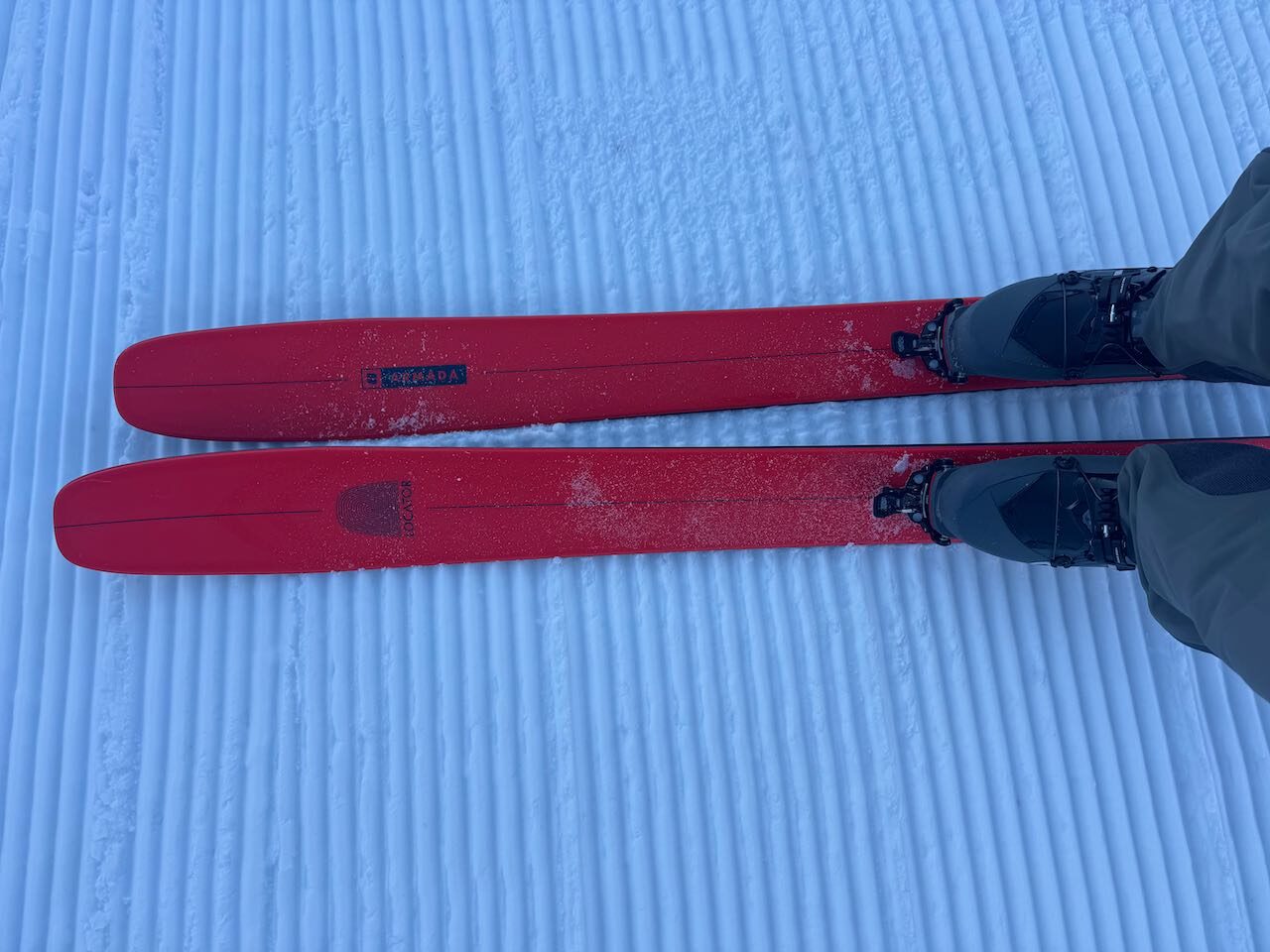
Conclusion
The Kilo XTR will make a lot of sense for more skiers than the original Kilo. They offer a beefed up ride, more even tightening, and better lateral stiffness in exchange for a slight weight and articulation penalty compared to the original tongueless Kilo.
What struck me about the Kilos carries through to the Kilo XTR. I’d hate to use the tired ski boot analogy, so let’s just say both of them can pilot more ski than you’d expect from their respective weight classes. That’s especially true for skis in the same category as the 4FRNT Renegade and their ski-from-the-feet demeanor where you’re not needing to drive deep power into the tongues.
The Kilo XTRs turn what can be a pretty heavy powder setup into one that’s distinctly acceptable. In generally good snow, there was hardly a tradeoff. It was rare that I lusted for my heavier three and four buckled boots. But more relevant to more skiers is the Kilo XTR’s capability to pilot middle width skis. It’s the first two buckle boot that’s convinced me to ski it as a daily driver even if it isn’t the beefiest boot I’ll keep in my stable (the new La Sportiva Senders and the Tecnica Zero G Tour Pros share that spot).
A one boot quiver? It will depend on your skis and terrain, but the possibility is distinctly in play. That’s not something I can say for most 1.2kg two buckle boots out there.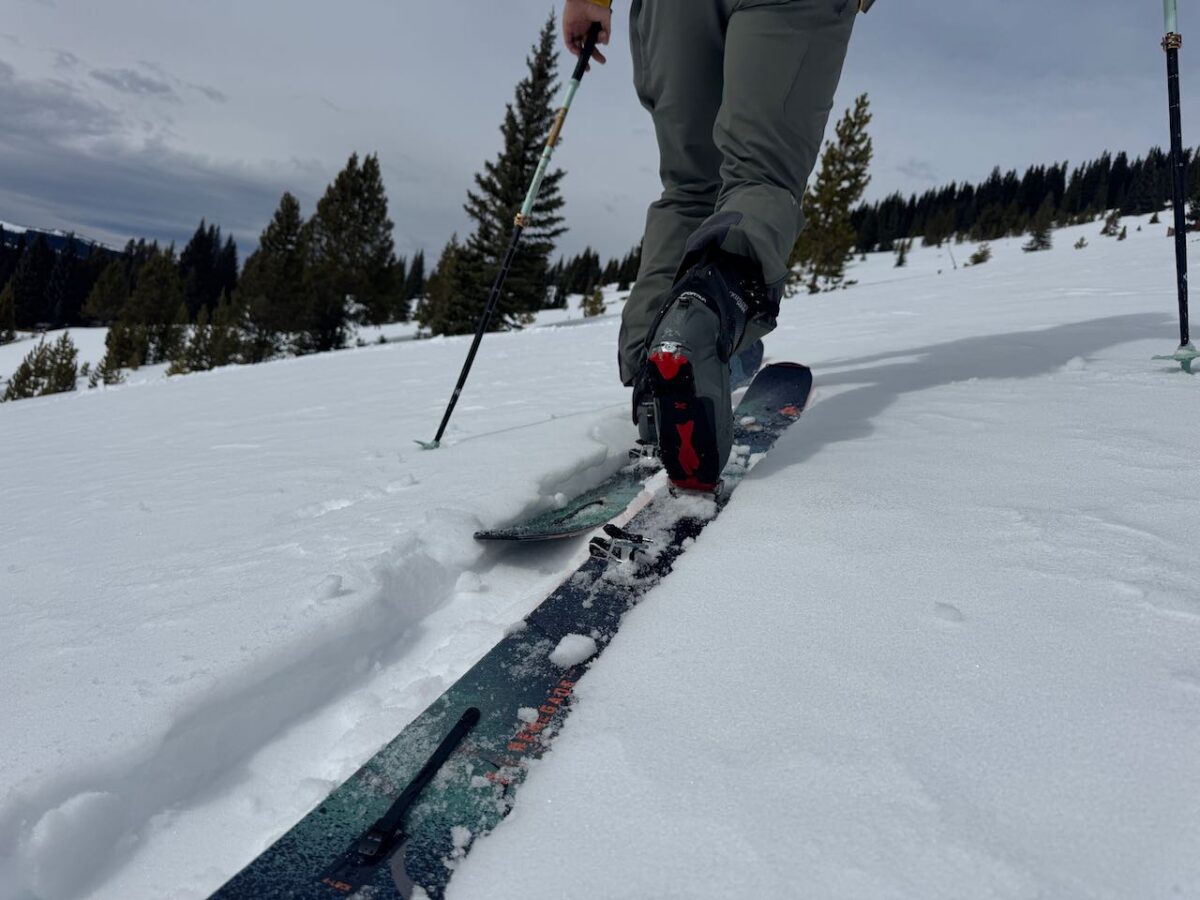
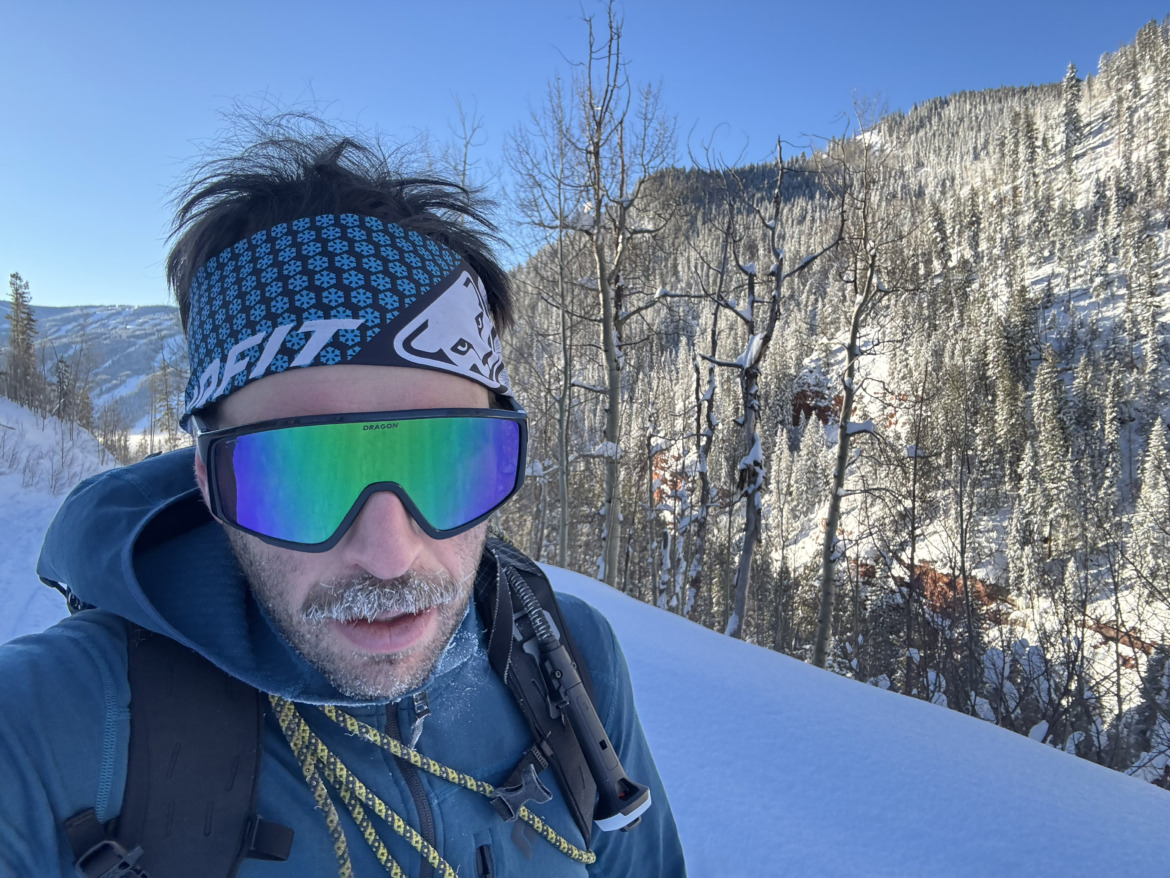
Bergen Tjossem is a ski fanatic, conservation professional, and nature nerd based in Vail, Colorado. His life and career have centered around protecting the natural environment and public lands that raised him, but as Ed Abbey put it, “It is not enough to fight for the land; It is even more important to enjoy it.” So when he’s not working his day job, you’ll find Bergen ski touring before dawn, ice climbing in the dark, running trails until his legs fall off, skiing 13er’s with his friends, or making the world’s best pizza with his wife, Rachel. You can find him on Instagram.
